
Optimal Timing for Stamped Concrete Service
Scheduling stamped concrete service depends on climate, temperature, and weather conditions. Optimal times are typically during mild and dry seasons to ensure proper curing and adhesion. In Irvine, CA, the most favorable periods are spring and early fall when temperatures are moderate and rainfall is minimal.
Spring offers mild temperatures and low humidity, ideal for stamped concrete to cure properly and achieve the best finish.
Early fall provides similar conditions to spring, with cooler temperatures and less rain, making it suitable for stamped concrete projects.
High summer temperatures can cause rapid drying, leading to cracks or uneven surfaces. It is best to avoid scheduling during peak heat.
Winter in Irvine can bring cooler temperatures and rain, which may delay or complicate stamped concrete installation.
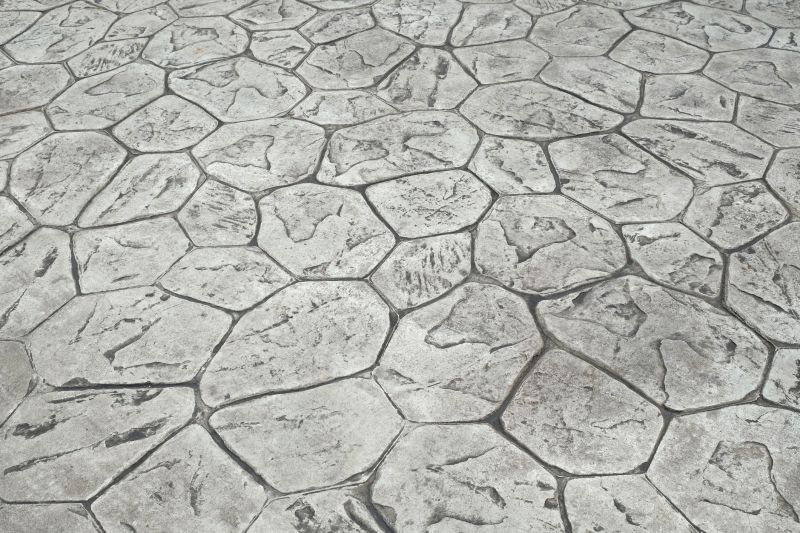
A decorative pattern applied to fresh concrete, adding aesthetic appeal.
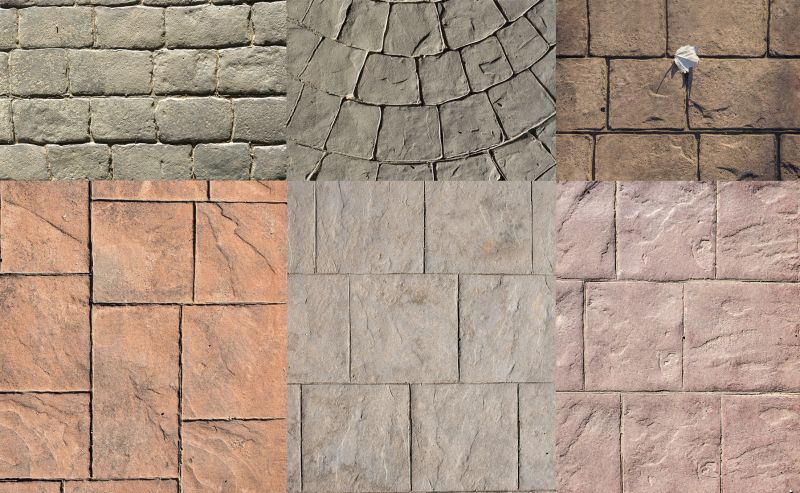
Various color options enhance the visual effect of stamped concrete surfaces.
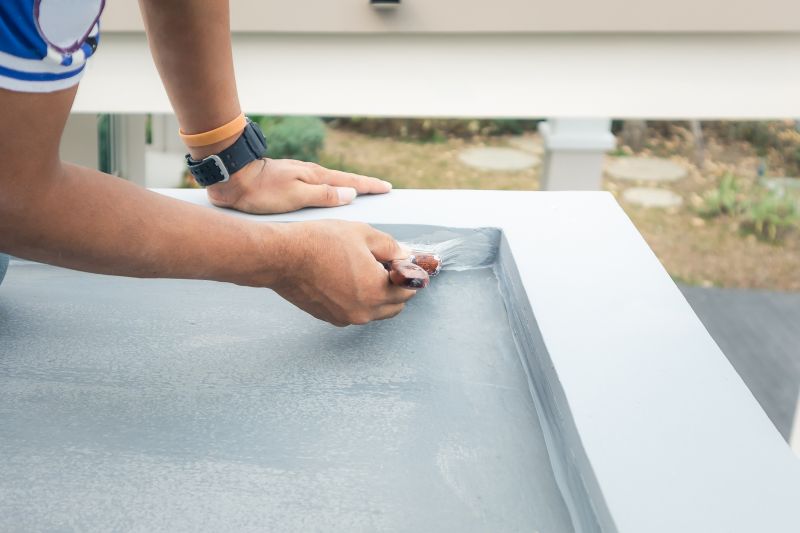
A protective sealant applied after curing to preserve the appearance and durability.
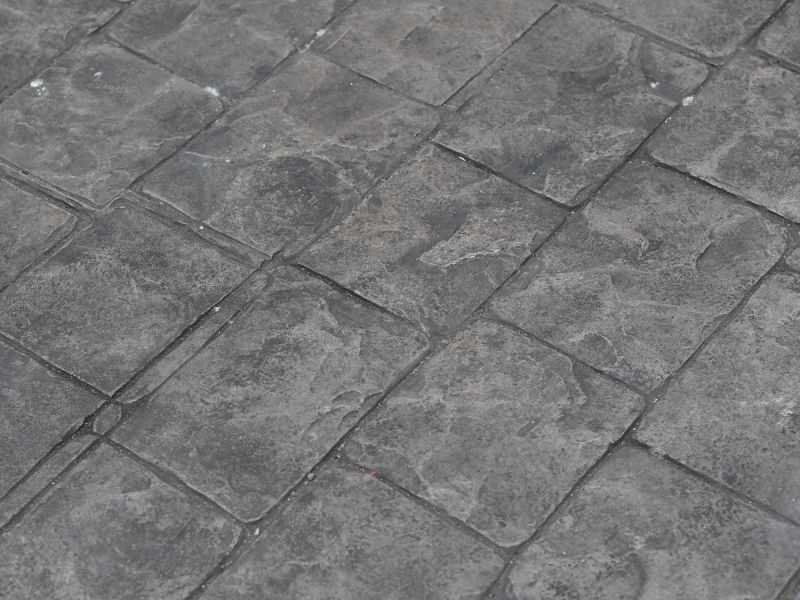
Ways to make Stamped Concrete Service work in tight or awkward layouts.
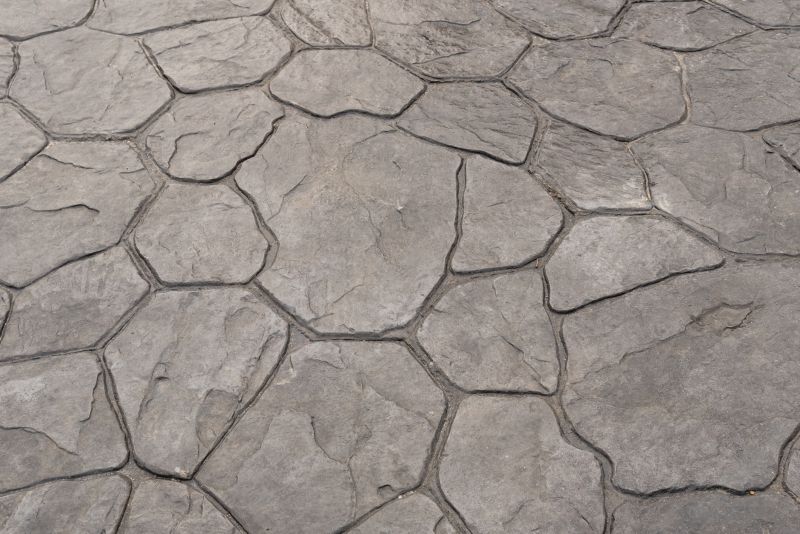
Popular materials for Stamped Concrete Service and why they hold up over time.
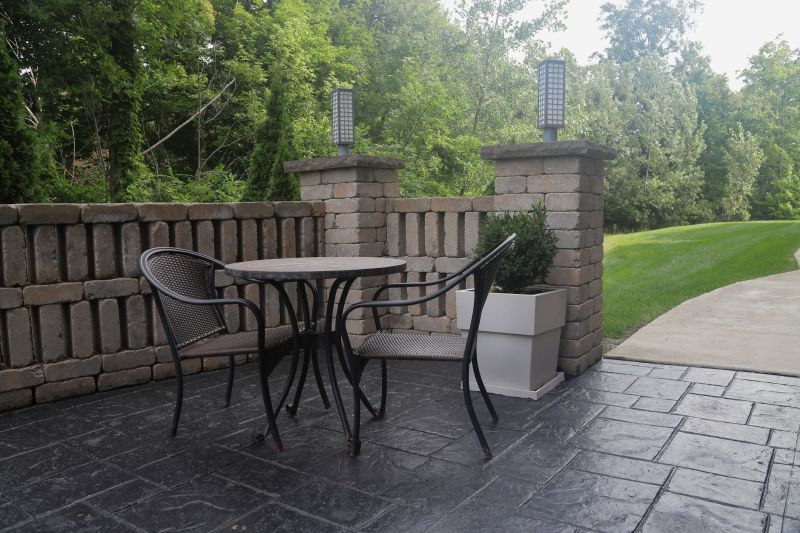
Simple add-ons that improve Stamped Concrete Service without blowing the budget.
Stamped concrete is a versatile and durable surface option that mimics the appearance of natural stone, brick, or slate. It involves impressing patterns into freshly poured concrete, which is then colored and sealed to achieve a decorative look. This method is popular for patios, driveways, walkways, and pool decks, offering both aesthetic appeal and long-term resilience.
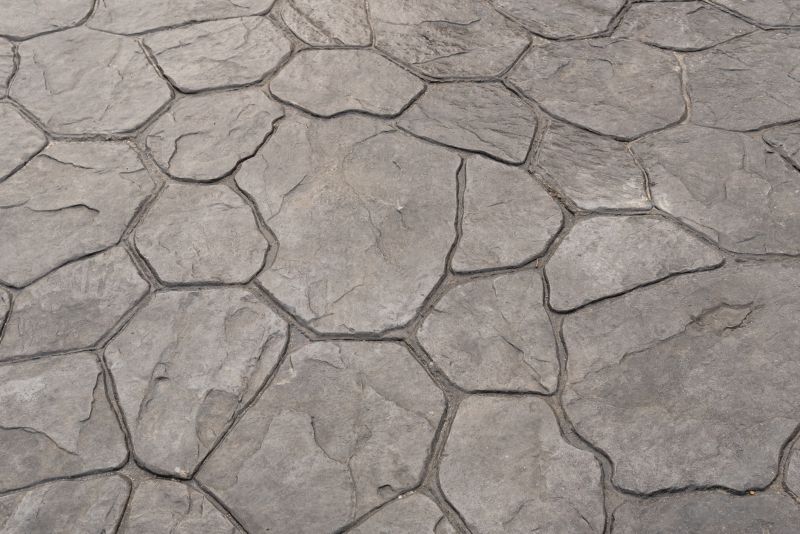
A stamped concrete driveway with intricate patterning.
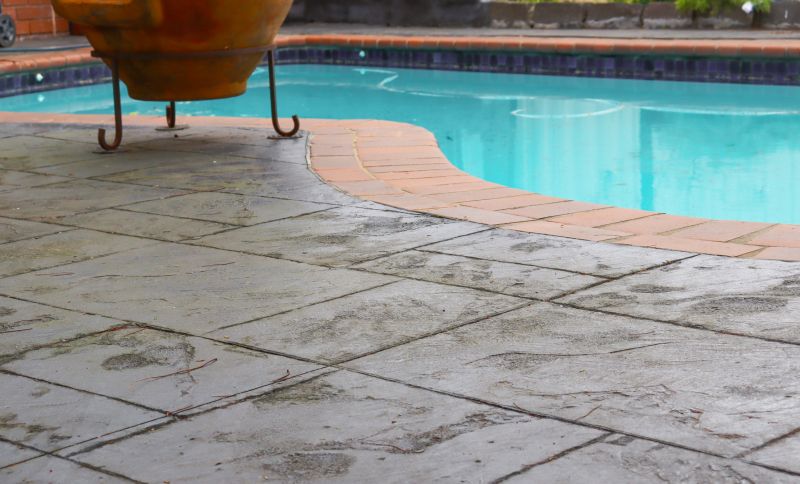
Colorful stamped concrete enhances poolside areas.
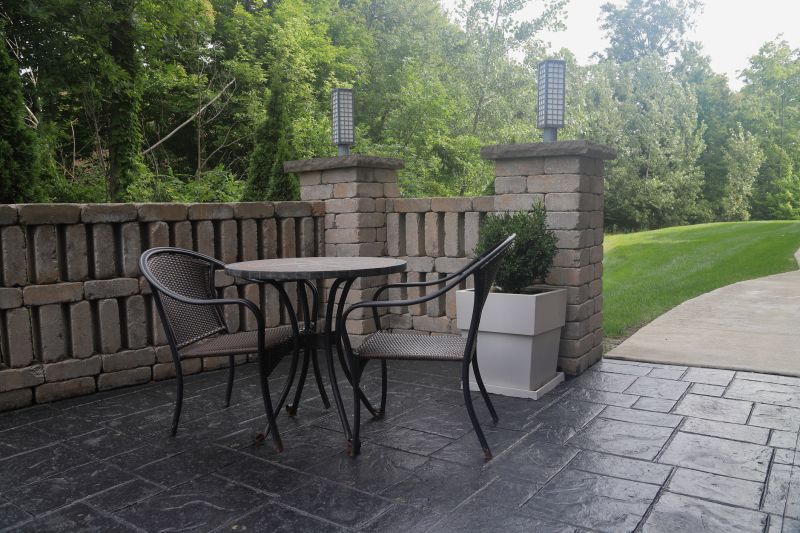
A stylish stamped patio adds value and appeal.
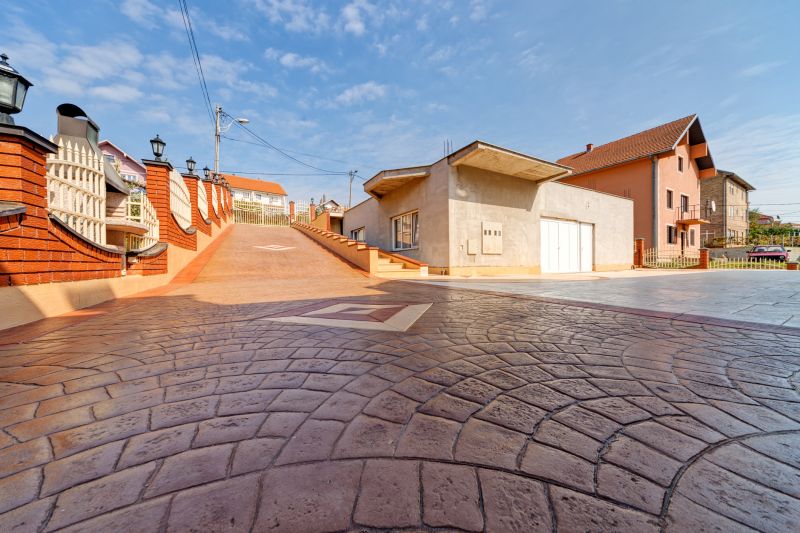
Durable stamped concrete for high-traffic areas.
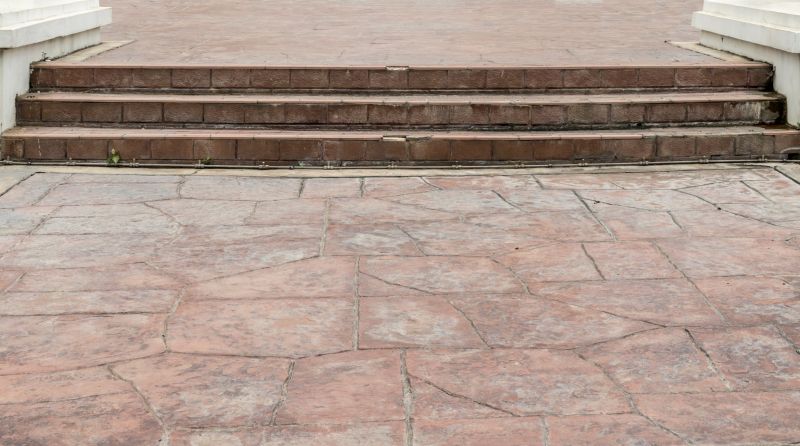
High-end options that actually feel worth it for Stamped Concrete Service.
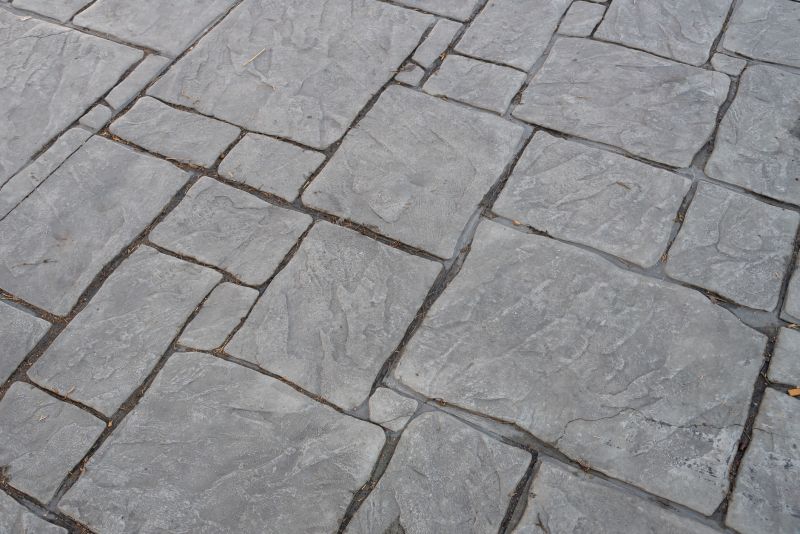
Finishes and colors that play nicely with Stamped Concrete Service.
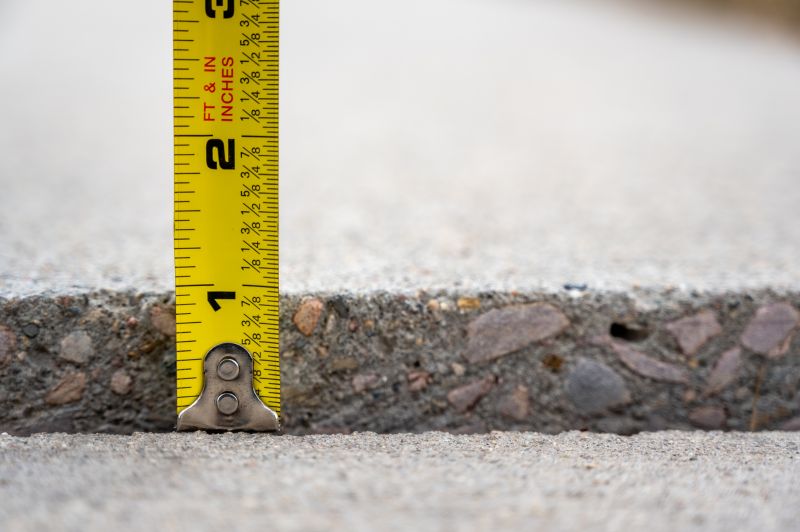
Little measurements that prevent headaches on Stamped Concrete Service day.
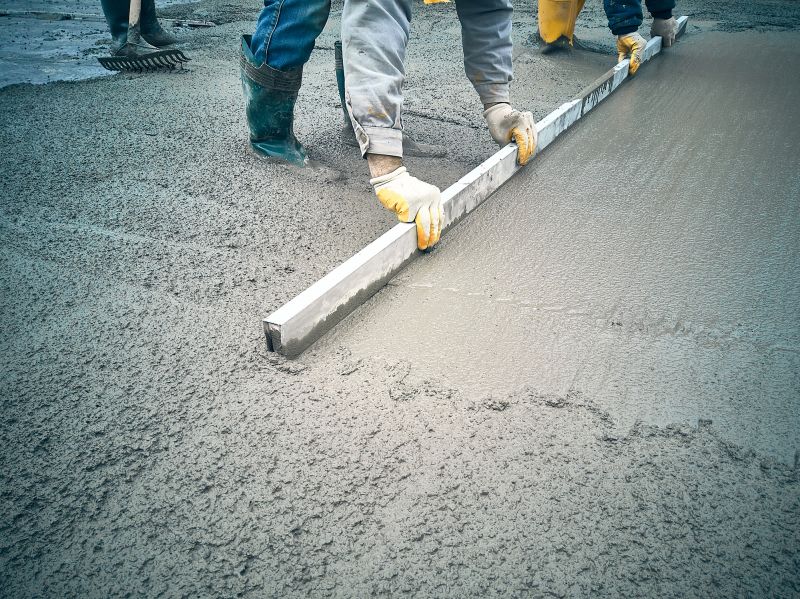
A 60-second routine that keeps Stamped Concrete Service looking new.
| Season | Ideal Conditions |
|---|---|
| Spring | Mild temperatures, low humidity, minimal rain |
| Early Fall | Moderate temperatures, dry weather |
| Summer | High temperatures may cause issues, avoid peak heat |
| Winter | Cooler temperatures, potential for rain |
Timing stamped concrete service to coincide with favorable weather conditions ensures the best results. Proper planning can prevent delays and defects, extending the lifespan of the decorative surface. Consulting with a professional can help identify the optimal window based on local climate patterns.
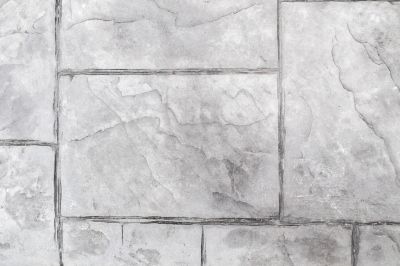
A completed stamped concrete project showcasing pattern and color.
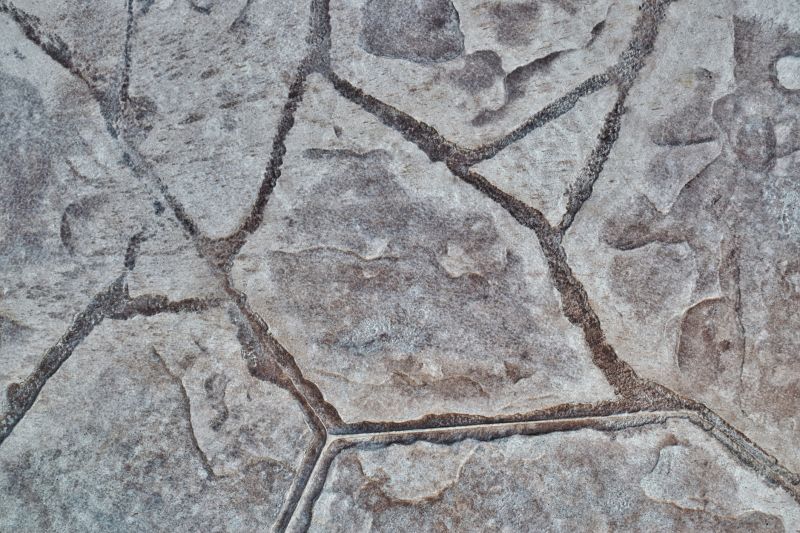
Different coloring techniques used to enhance design.
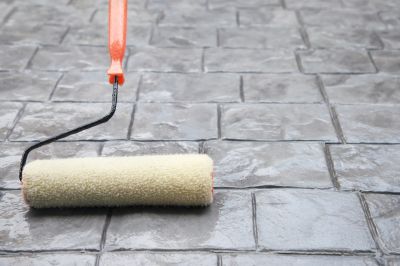
Applying sealant for protection and longevity.
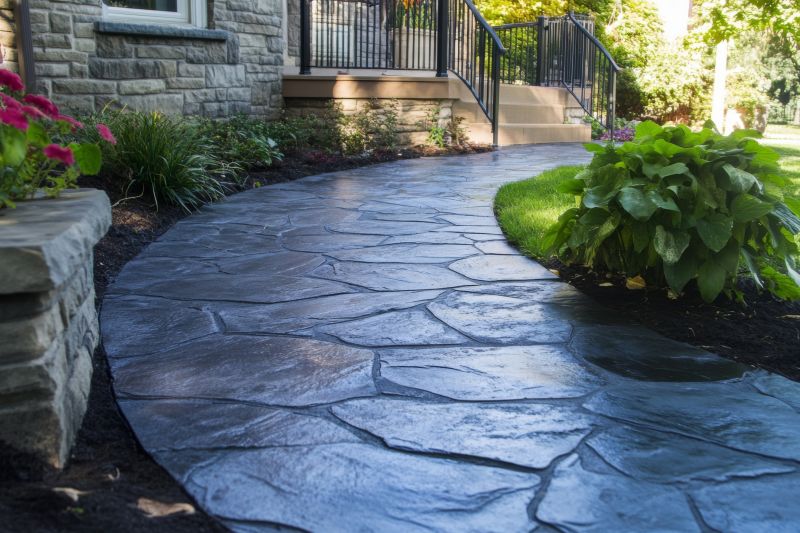
Stamped concrete as a foundation for patios and walkways.
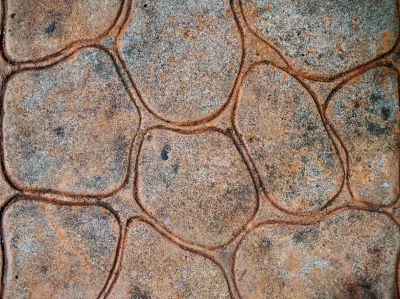
A frequent mistake in Stamped Concrete Service and how to dodge it.
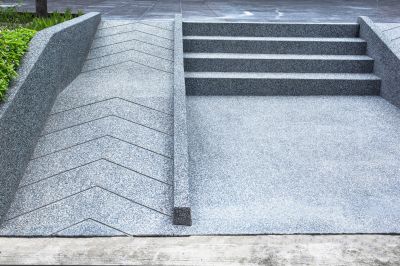
Small tweaks to make Stamped Concrete Service safer and easier to use.
Individuals interested in stamped concrete service are encouraged to contact for more information. Proper timing and preparation can significantly impact the durability and appearance of the finished surface, ensuring long-lasting decorative concrete installations.